Disciple Making Is Not a Program
One of the biggest mistakes the modern church has made is turning disciple making into a program instead of a way of life.
Programs aren’t bad. Classes aren’t bad. But Jesus didn’t hand the disciples a curriculum. He gave them his life through Time, Teaching, and Tactics.
Disciple making was never meant to be an event on a church calendar. It was meant to be a lifestyle that spreads from person to person, house to house, and city to city. Movements happen because ordinary believers start helping other people follow Jesus.
That’s why in Discipology I talk about three rhythms of disciple making: Time, Teaching, and Tactics.
You spend time with people.
You teach them to obey Jesus.
You train them to make disciples.
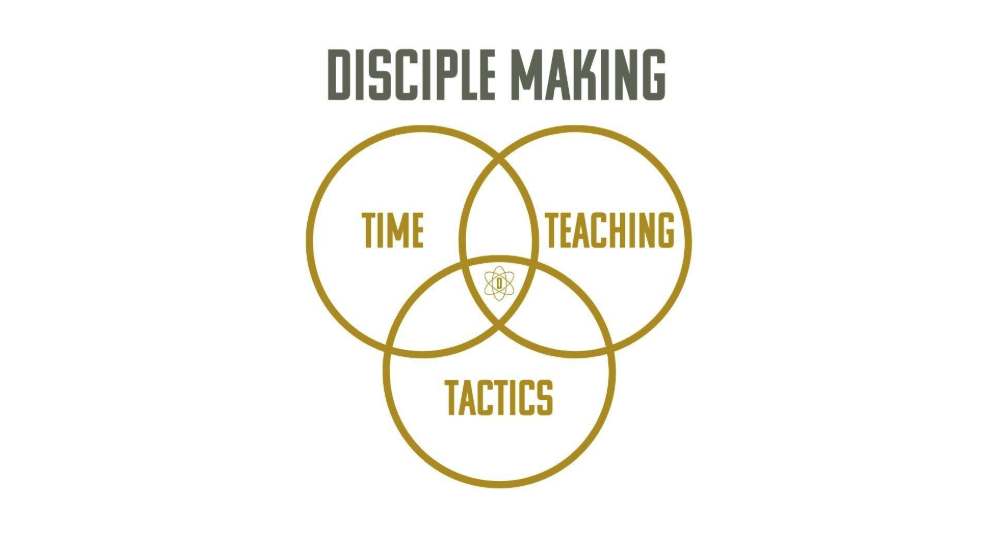
If we do only the first, we get friendships. If we do only the second, we get classes. If we do only the third, we get service projects. But when all three come together, we get disciple making
The future of the church will not be built on better services, bigger buildings, or better branding. It will be built on ordinary Christians who decide to obey Jesus’ command to make disciples and help others do the same.
Disciple making is not a department of the church. Disciple making is the mission of the church.
What’s Missing in Our Disciple Making?
Most Christians can agree on two things about disciple making.
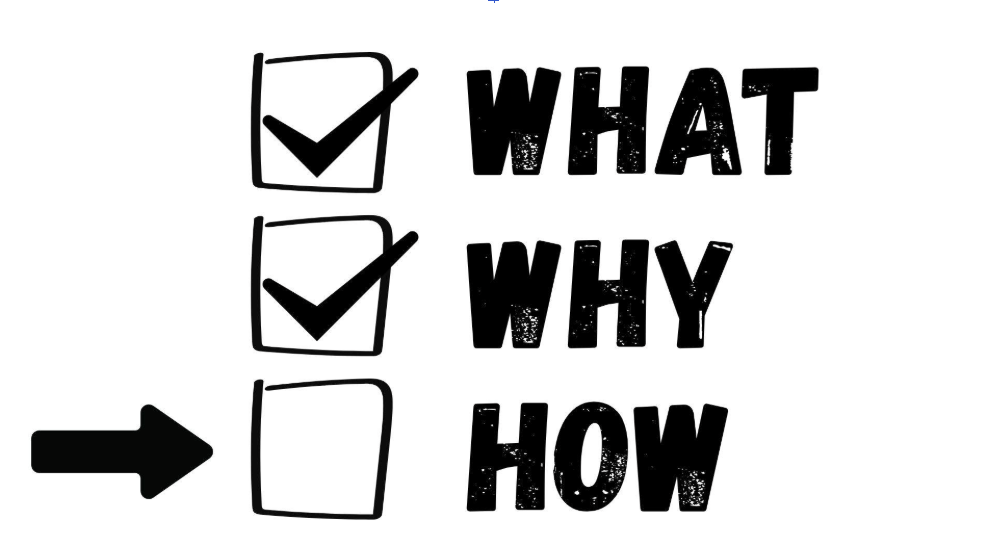
We know what we’re supposed to do. Jesus told his followers, “Go and make disciples of all nations” (Matthew 28:19). And we know why it matters. The Great Commission is not an optional assignment for a few committed Christians; it is the mission Jesus entrusted to all of us.
But if we are honest, many believers still wrestle with another question: How do we actually do it?
Jesus did not simply teach his disciples and spend time with them. He also trained them in how to live out the mission of God. At various points in the Gospels, he sent them out to preach the Kingdom, heal the sick, and engage people spiritually. He allowed them to practice obedience in real situations and then debriefed those experiences with them afterward. In other words, Jesus gave his disciples practical ways to participate in the mission while they were still learning.
It’s easy to hand people a book and ask them to learn about disciple making, but getting them out to do it is different. Jesus made disciple making simple, and that’s the goal of Journey to Disciple Making. It helps us return to the simplicity of living out Jesus’ commands because everybody can make disciples.
Discipology offers a biblical framework for disciple-making that empowers church leaders to build a culture of spiritual multiplication, centered on three elements of Jesus' own process: Time, Teaching, and Tactics. This is a strong fit for 100 Movements' audience of missional leaders — and the timing is excellent given that only 8% of U.S. Protestant pastors are extremely satisfied with discipleship in their church, creating real search demand for practical solutions.